Zeta-potential and Particle Size Analyzer

ELSZneo Takes Light-Scattering-Based Material Characterization to the Next Level
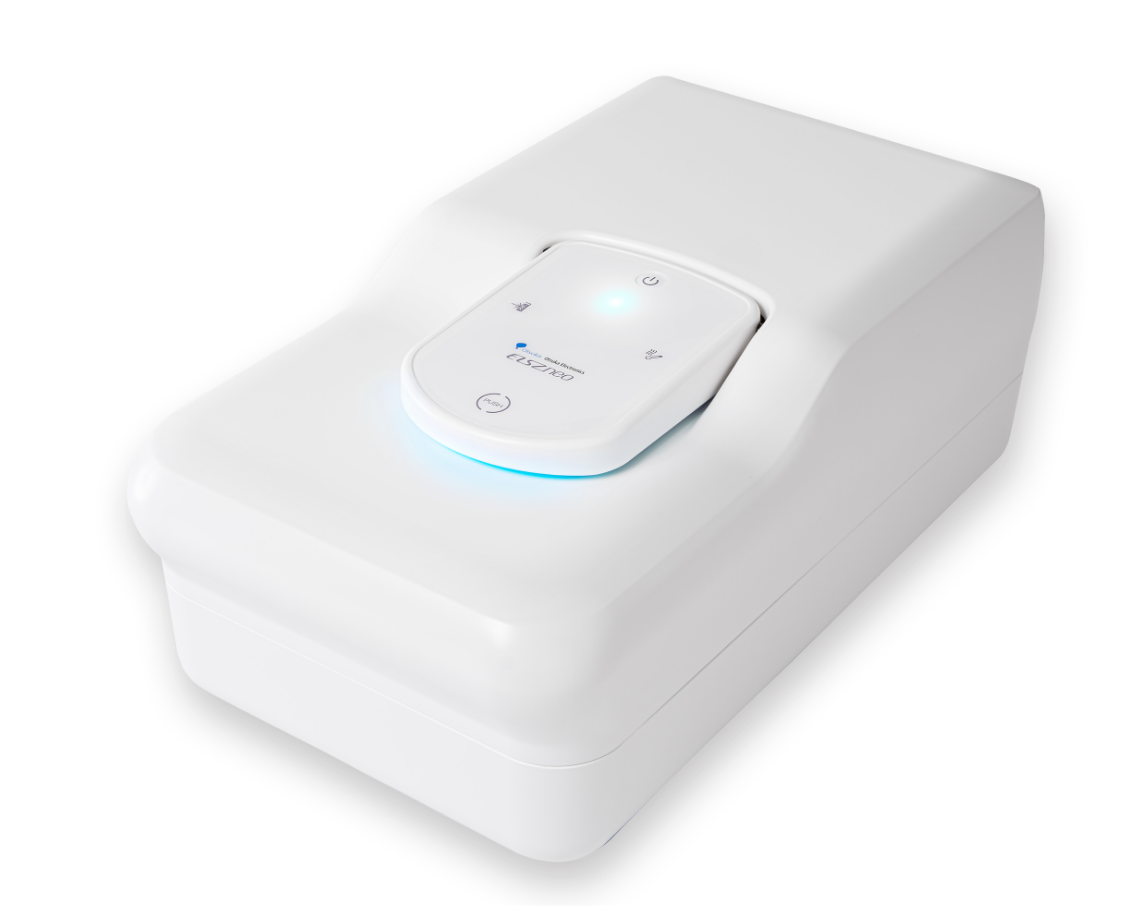
Measurement Items
Zeta Potential
- Particle Size
- Molecular Weight
- Multi-Angle Measurement
- Particle Concentration
- Microrheology
Measurement Range
Particle Size : 0.6 nm to 10 μm
- Zeta Potential : No effective upper limit
- Molecular Weight : 340 to 2 × 10⁷
- Electrophoretic Mobility : -2 × 10⁻⁵ to 2 × 10⁻⁵ cm²/V·s
Applicable Range
Measurement Temperature Range : 0 to 90°C
- Measurement Concentration Range : Zeta Potential: 0.001 to 40%
- Measurement Concentration Range : Particle Size: 0.00001% (0.1 ppm) to 40%*¹
Why Measure Particle Size
and Zeta Potential?
- In applications where dispersion stability is critical, maintaining particle dispersibility by controlling the zeta potential of particle surfaces is essential for achieving high performance and product quality.
Conversely, poor dispersibility can cause particle aggregation, which may prevent the material from delivering its intended performance.
Therefore, to maximize the performance of nanoparticles, it is important
to measure particle size and zeta potential and properly control the dispersion state.
WithELSZneo,
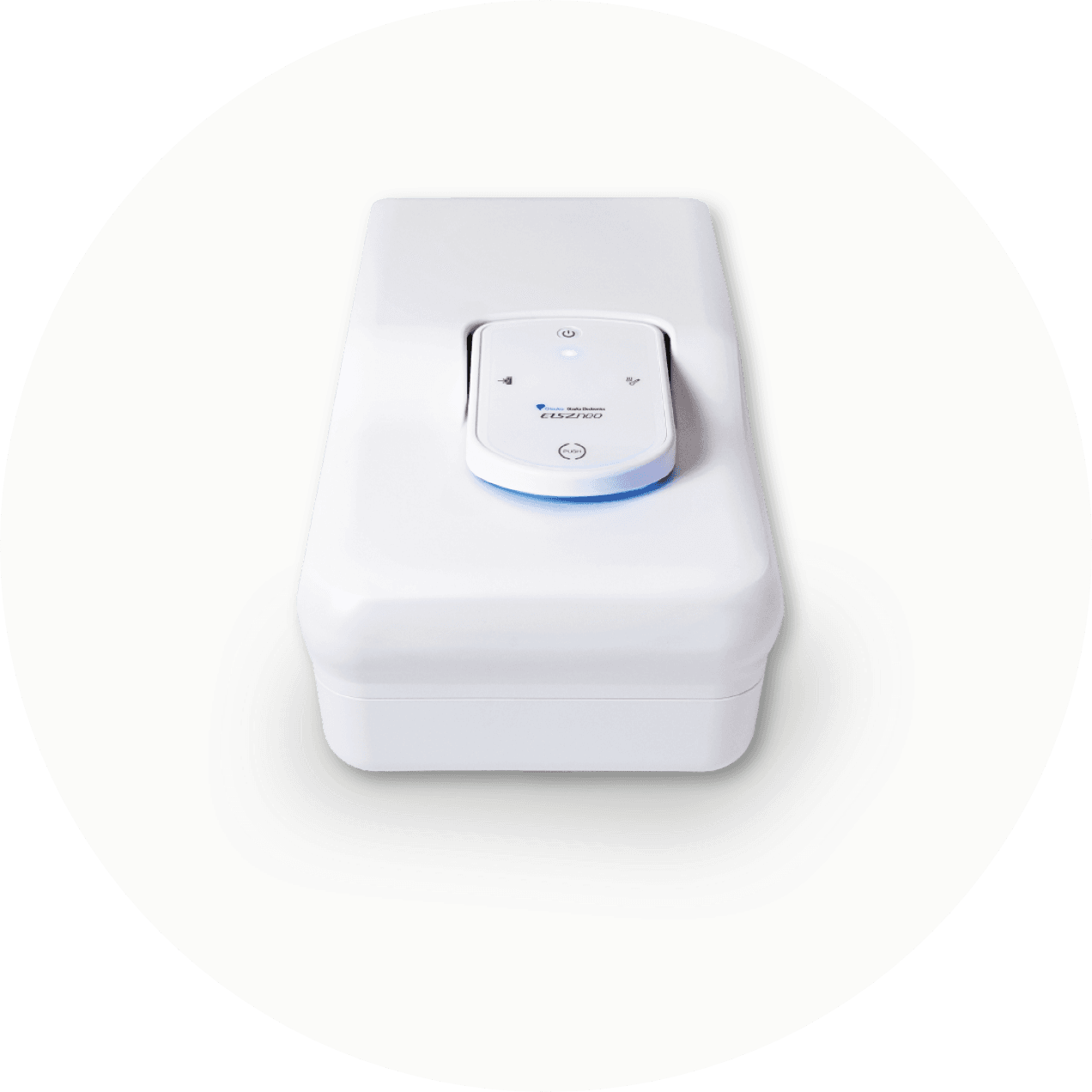
With its superior functionality and measurement range, ELSZneo transcends conventional industry boundaries, expanding the possibilities of material characterization.Supporting innovation across diverse fields, it helps reveal new insights into the world yet to be discovered.
In addition to particle size, zeta potential, and molecular weight measurements, ELSZneo supports particle concentration analysis, microrheology measurements, and gel network structure characterization. From dilute to highly concentrated solutions, biomimetic environments, and ultra-low sample volumes, ELSZneo enables the measurement and characterization of samples that have traditionally been challenging to evaluate.
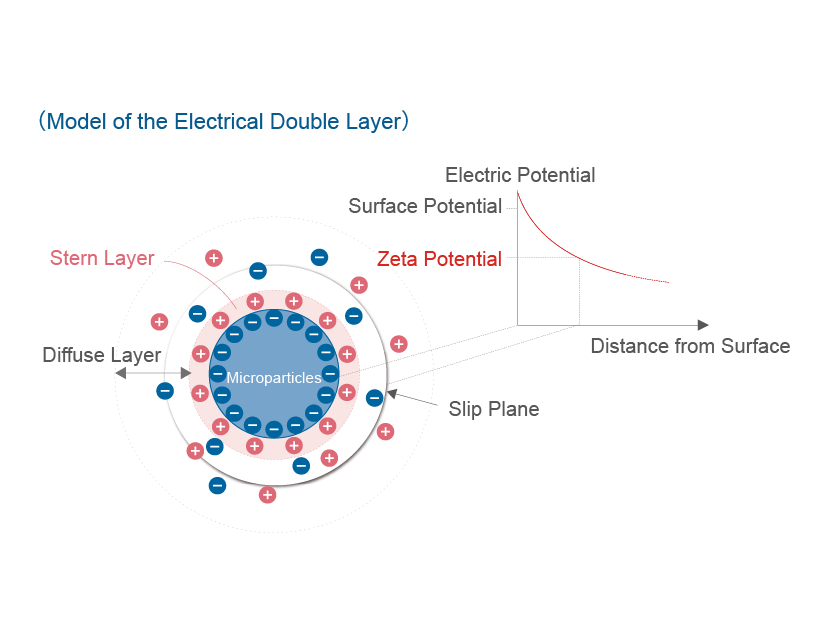
Features
Comprehensive particle characterization in a single instrument-
Feature 01 Highly reliable measurement results
The reliability of particle size measurement results can be confirmed by reviewing the autocorrelation function of the raw data and the fitting residuals from the analysis. Particle size monitor plots also enable real-time observation of sample changes during measurement. By visualizing raw data and sample behavior over time alongside analyzed results, ELSZneo delivers highly reliable measurement results with greater confidence.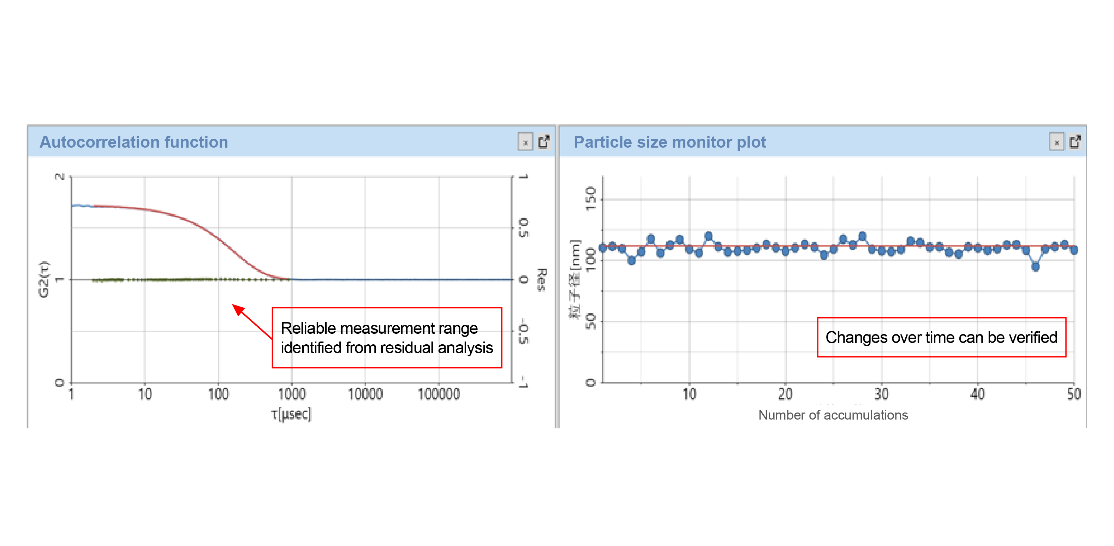
-
Feature 02 Zeta potential (Electroosmotic flow)
Accurate zeta potential measurements require analysis of the electroosmotic flow generated within the measurement cell. During electrophoretic measurements in a closed cell, electroosmotic flow caused by the charged cell walls is unavoidable. By performing measurements at multiple positions within the cell and analyzing the stationary layer that is unaffected by electroosmotic flow, the true particle mobility can be determined. In addition, multipoint measurements within the cell enable clear discrimination between true component peaks and noise peaks.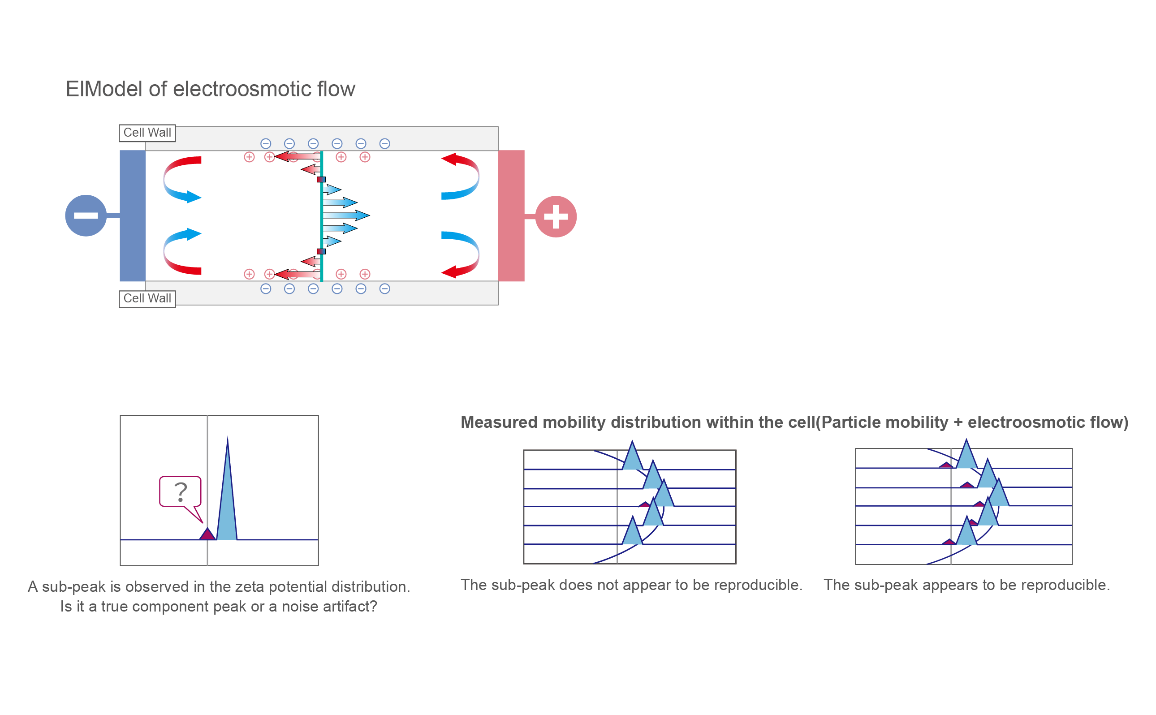
-
Feature 03 Measure particle size and zeta potential under biologically relevant condition
The large dome-shaped electrode enables zeta potential measurements in high-salinity environments, such as physiological saline. Because zeta potential is highly dependent on ionic strength, it is important to measure zeta potential under the sample's actual solvent conditions.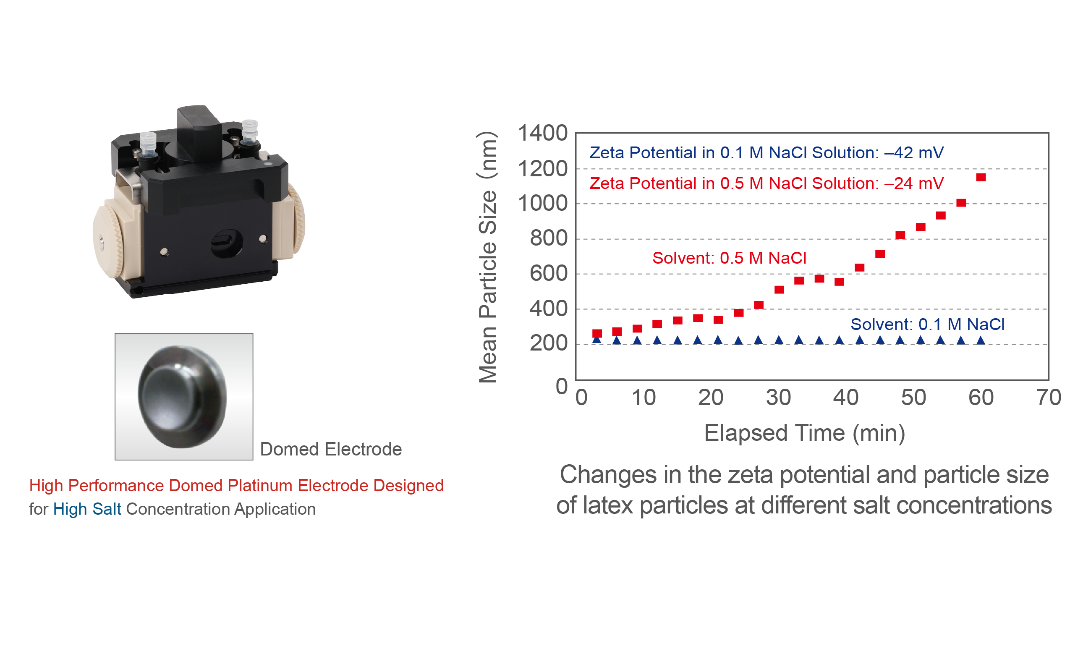
-
Feature 04 Zeta potential (Flat plate cell)
Using the optional flat plate cell, the zeta potential of planar samples such as films can be measured. Hair and other fiber-like samples can also be analyzed using a dedicated spacer kit for sample preparation. This enables the evaluation of electrostatic interactions between particles and flat surfaces, such as pigments and printing paper, polishing particles and wafers, and hair and hair-treatment products.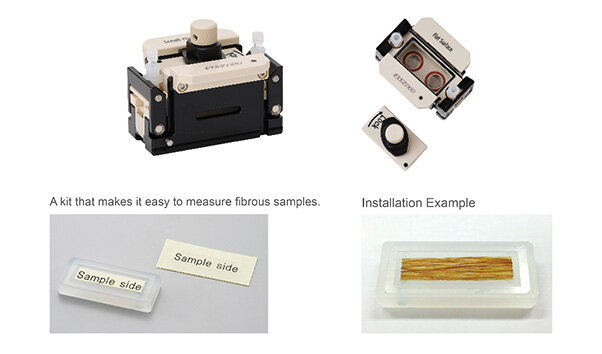
-
Feature 05 Gel network structure
Dynamic light scattering (DLS) measurements of gel samples can be used to analyze the mesh size and structural heterogeneity of the gel. Furthermore, by monitoring the time-dependent changes in scattering intensity and diffusion coefficient, the gelation process can be evaluated.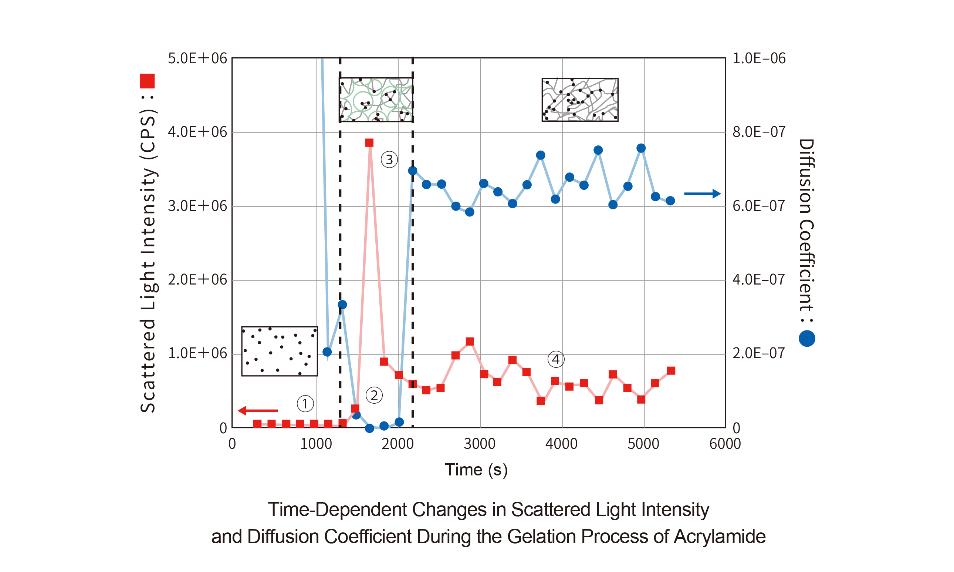
Use Cases
Discover the Technical Challenges That Only ELSZneo Can Solve-
Challenge1 Need to measure under biologically relevant salt concentrations(e.g., exosomes).
Evaluate biosamples under physiologically relevant conditions.Conventional zeta potential measurements often require dilution when using high-ionic-strength PBS buffers. In contrast, this system enables direct measurement of MSC-EVs in PBS without dilution. Because HEPES has a lower ionic strength than PBS, a higher absolute zeta potential was observed. Measurements under conditions that closely reflect the actual use environment enable a more accurate and realistic assessment of particle surface charge.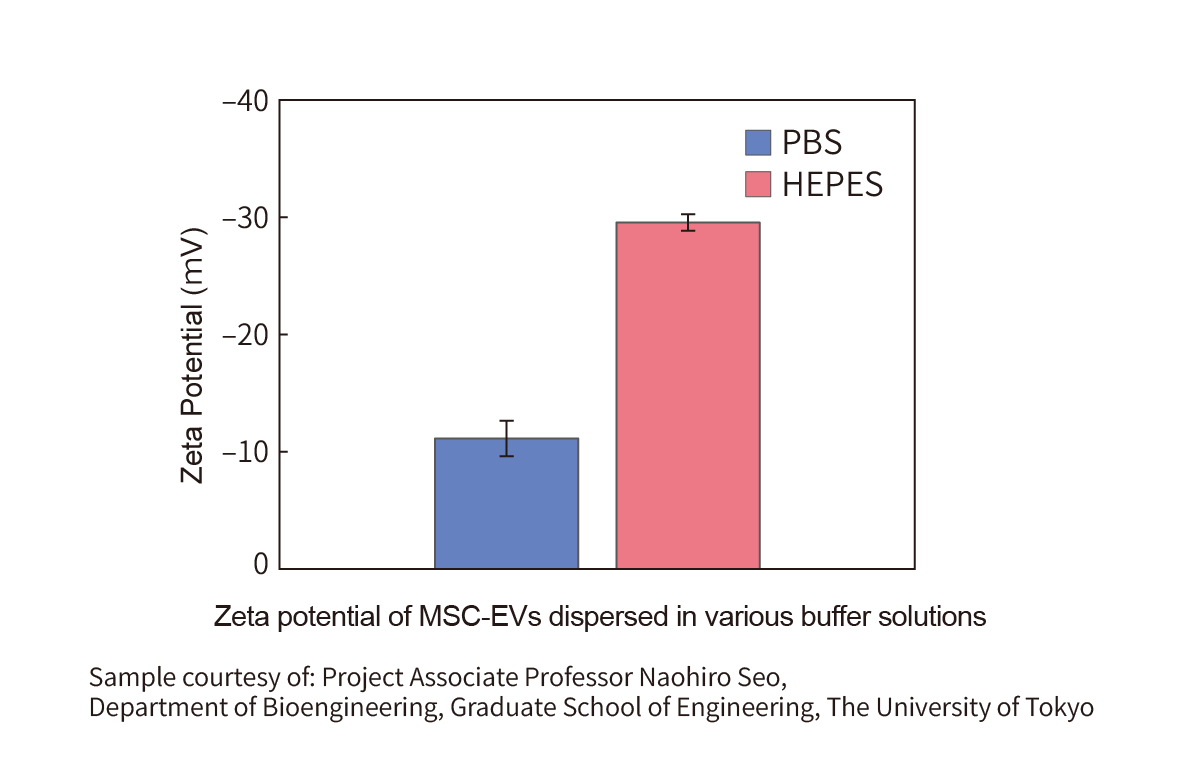
-
Challenge2 Need to measure interactions between solid surfaces and liquids.
Need to measure interactions between solid surfaces and liquids.Flat plate zeta potential measurement allows for the evaluation of the surface conditions of flat samples such as glass, resin, and fibers. It is effective for evaluating electrostatic interactions with particles, comparing surface properties before and after coating, and analyzing correlations with wettability.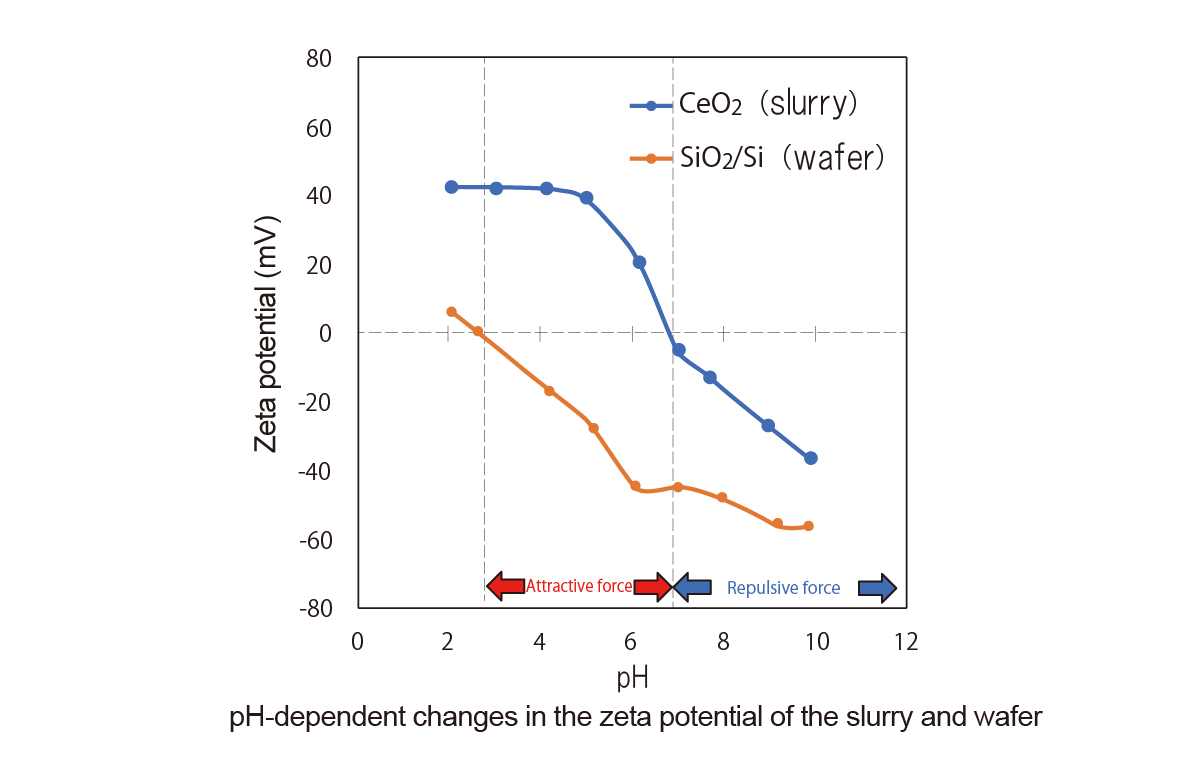
-
Challenge3 Need to measure the sample in its original concentration without dilution.
Evaluate zeta potential under conditions that closely resemble the actual sample by minimizing dilution effects.For some samples, dilution can alter the dispersion state or the particle surface environment, potentially resulting in zeta potential values that differ from those of the original sample. By enabling measurements of highly concentrated samples, zeta potential can be evaluated under conditions that more closely reflect actual use environments.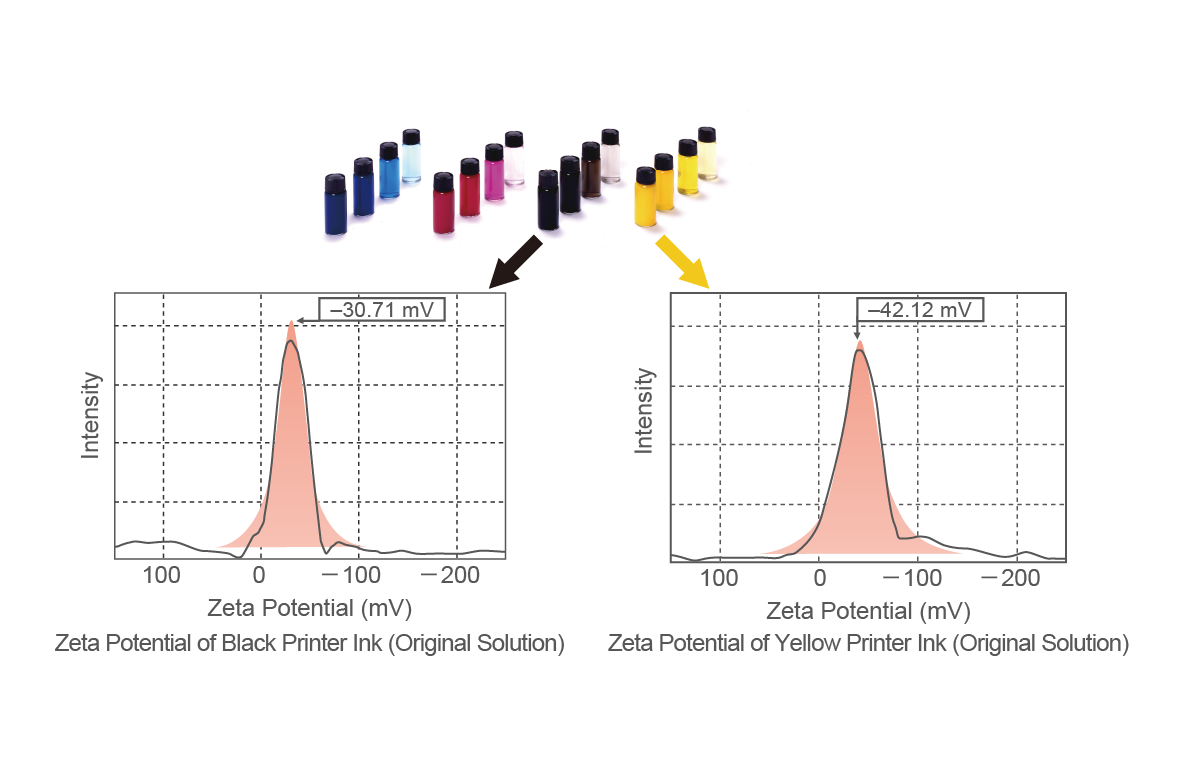
-
Challenge4 Need higher particle size distribution resolution
Achieve higher particle size resolution with multi-angle DLS.Combining data from multiple scattering angles improves particle size distribution resolution. This enables the differentiation of closely spaced particle size populations and the detection of larger particles that can be difficult to resolve with single-angle measurements.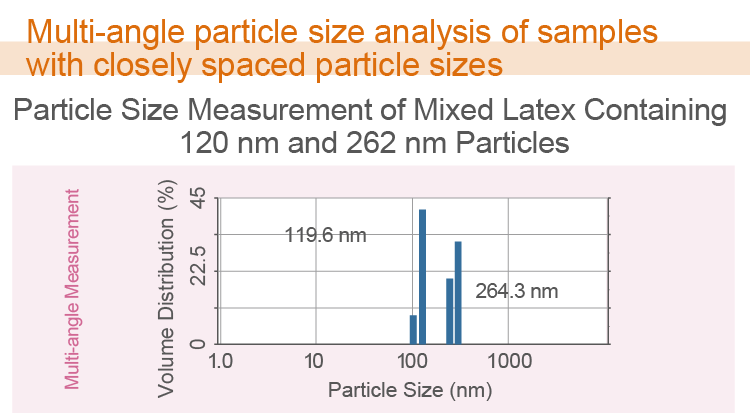
-
Challenge5 Need to know the number of particles
Quantify particle concentration over a wide range with SLS.Particle counting methods based on image analysis can be limited in the range of concentrations that can be measured. In contrast, the SLS method exhibits excellent linearity over a wide concentration range, enabling accurate particle concentration measurements, even for highly concentrated samples.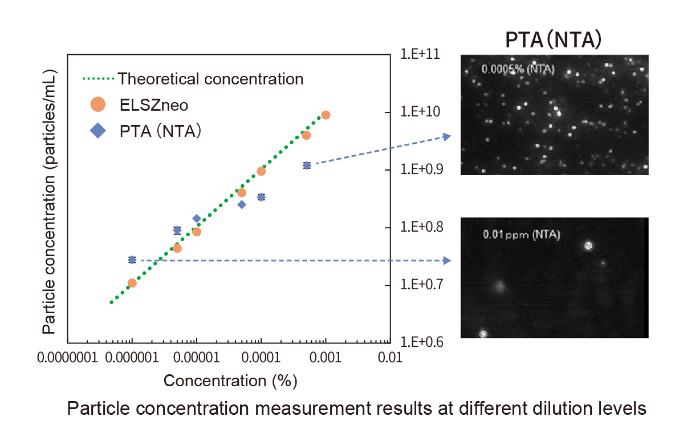
-
Challenge6 Need to quantify the mesh size within a gel
Measure gel structures non-destructively and without contact.DLS-based gel mesh size measurements enable the evaluation of internal gel structures without damaging the sample. In polyacrylamide gels, changes in mesh size associated with variations in gel concentration can be quantified, providing valuable information for material design and property evaluation.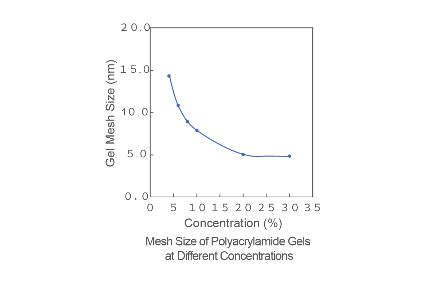
閉じる
Video
- Zeta-potential and Particle Size Analyzer ELSZneo
Specifications
Contact
Please feel free to contact us with any inquiries or requests.
Otsuka Electronics
Members Site
The Otsuka Electronics Members Site offers the following services.
We will continue to provide a wide range of content designed to enhance your professional knowledge and support your work.
Key Features of the
Members Site
-
Download product catalogs
-
Download technical documents
-
Watch member-only videos.
Feel free to reach out with any requests or questions.